
STOCKHOLM – Swedist: Sweden Rental Scam: How Foreigners Can Spot Fake Apartments

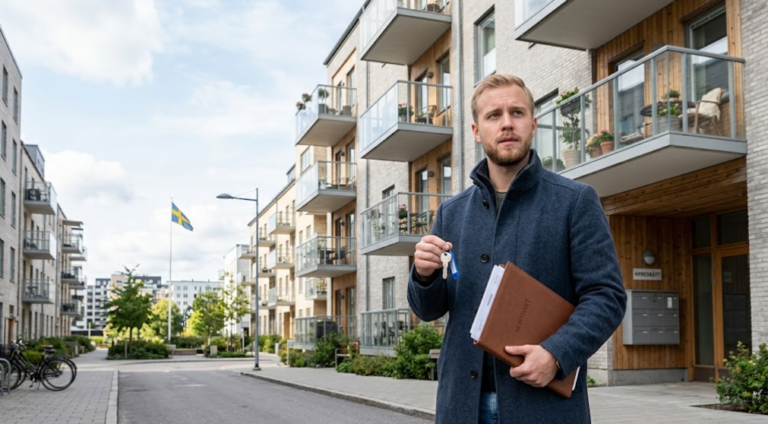
Finding an apartment in Sweden can be difficult, particularly for newcomers who are unfamiliar with the rental market, Swedish housing rules and the language used in contracts and advertisements. That pressure can also create opportunities for fraudsters who advertise apartments that they do not own or have no right to rent out. So, how can foreigners identify a fake apartment before handing over their money?
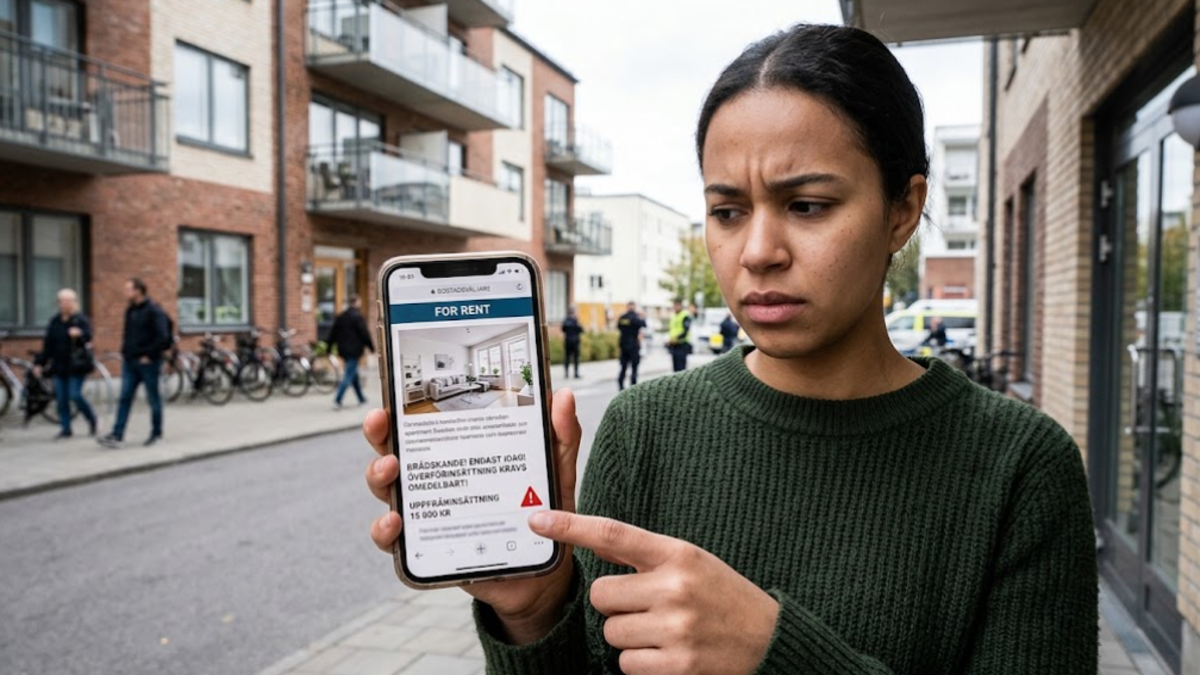
Swedish police warn that apartment rental fraud is an ongoing problem and can occur throughout the year. Fraudsters often exploit housing shortages by publishing attractive online advertisements, sometimes offering apartments at seemingly reasonable rents. In some cases, they demand several months of rent or a deposit before the prospective tenant has even seen the property or signed a valid agreement.

For people arriving from abroad, the risk can be particularly difficult to recognize. A professional-looking advertisement, photographs of a real apartment and convincing messages from someone claiming to be a landlord do not necessarily prove that the person has the right to rent the property.
The Swedish Police Authority has specifically warned that criminals can copy legitimate housing advertisements and turn them into false second-hand rental offers. That means even an advertisement based on a genuine apartment may be part of a scam.
Sweden Rental Scam: Why Fake Apartments Can Look Real
One of the biggest problems with rental fraud is that the advertisement itself may not immediately look suspicious.
A scammer can use photographs of a real home, provide an attractive address and give a rent that appears plausible. The person may also prepare a contract and provide identification documents designed to make the transaction appear legitimate.
The Swedish Police Authority advises prospective tenants to establish that the apartment actually exists and to check that the person offering it has the right to rent it out.
This distinction is important for foreigners. Someone may legitimately possess photographs of an apartment without being its owner or authorized tenant. A person may also claim to be renting the apartment on behalf of someone else.
Another warning sign appears when the supposed landlord avoids a face-to-face meeting.
Police advice is straightforward: prospective tenants should be particularly cautious if the person offering the property is abroad, cannot meet in person or demands money in advance. A request for payment before the renter has seen the apartment and signed the contract can be a major warning sign.
Foreign renters should therefore resist pressure to make an immediate payment simply because an apartment is described as being in high demand.
A genuine housing shortage does not remove the need for verification.
A copied advertisement can hide the real problem
A particularly deceptive method involves copying an existing housing advertisement and presenting the property as a second-hand rental.
The apartment may exist. The address may be correct. The photographs may even show the actual interior.
But the person contacting the prospective tenant may have no connection with the property.
That is why checking the apartment alone is not enough. The identity and authority of the person offering the rental must also be verified.
Sweden Rental Scam: The Warning Signs Foreigners Should Check
Several warning signs should make a prospective tenant stop before sending money.
The first is an unusually urgent request for payment. A fraudster may claim that several other people are interested and that the apartment will be given to somebody else unless the deposit is transferred immediately.
Another warning sign is a request for several months of rent or a large deposit before the tenant has seen the property. Swedish police specifically advise people not to pay in advance before seeing the apartment and signing the contract.
The third warning sign is an inability to verify the landlord.
The prospective tenant should independently obtain contact details and verify them rather than relying exclusively on telephone numbers, email addresses or links supplied by the advertiser. Police warn that fraudsters can create false websites and telephone contacts that appear to belong to legitimate property owners.
This is particularly relevant when the renter is new to Sweden and may not know which housing companies, landlords or authorities to contact.
A fourth warning sign is reluctance to provide identification.
Swedish police recommend asking the landlord for identification and requesting a written rental agreement.
A prospective tenant should also be cautious if the name on the payment instructions differs from the name of the person claiming to be the landlord, or if the person refuses to explain why another individual or company should receive the money.
Do not trust a contract simply because it looks official
A PDF document containing a logo, address, signature or apparently formal language is not proof that a rental is genuine.
Fraudsters can create documents that look convincing. The contract must be considered together with the identity of the landlord, the apartment, the right to rent it out and the payment arrangements.
For someone unfamiliar with Sweden, it can be tempting to assume that a detailed document is enough. It is not.
The safer approach is to verify the information independently before signing or paying.
What Foreign Renters Should Verify Before Paying
The safest rental process begins before any money changes hands.
First, confirm the address. Make sure the property exists and corresponds to the photographs and description in the advertisement.
Second, establish who owns or controls the property and whether the person offering the apartment has permission to rent it out.
Third, verify the landlord’s identity. Do not rely solely on information contained in the advertisement or in an email.
Fourth, insist on a written rental agreement.
Fifth, inspect the apartment before making an advance payment. If an in-person viewing is impossible, the renter should treat the situation with additional caution rather than allowing urgency to dictate the decision.
Swedish consumer authorities also advise people renting privately to be cautious about anonymous landlords, verify names and telephone numbers, avoid paying rent in advance and check the property address.
These steps are especially important for international students, workers and newly arrived residents who may feel they have limited alternatives.
Bring another person to the viewing
Swedish police recommend taking a friend or relative when viewing an apartment. Having another person present can make it easier to identify inconsistencies or suspicious behavior.
For foreigners, this can also be an opportunity to have someone help with communication if the discussion takes place partly in Swedish.
A second person may notice details that the prospective tenant misses, particularly when the renter is under pressure to secure accommodation quickly.
Why Foreigners Can Be Especially Vulnerable
Rental fraud does not exclusively target foreigners, but newcomers can face additional obstacles.
A person arriving in Sweden for work or study may need housing before fully understanding the country’s rental system. They may also have limited knowledge of Swedish housing terminology, second-hand rentals and the responsibilities of landlords and tenants.
Language can add another layer of difficulty.
A foreign renter may communicate with a supposed landlord entirely through messages and may hesitate to ask detailed questions because they are concerned about losing the apartment.
Scammers can exploit that uncertainty.
The situation becomes even more difficult when the person has already booked travel, started a job or enrolled at a university and needs somewhere to live immediately.
That urgency can make a suspicious offer appear like a rare opportunity.
The best protection is to reverse that approach: the greater the pressure to pay quickly, the more carefully the renter should verify the offer.
The Dangers of Paying Through Untraceable Methods
The payment method is another important warning sign.
Swedish police advise people not to send money through anonymous payment services when dealing with apartment advertisements.
A prospective tenant should understand exactly who is receiving the payment and why.
If a supposed landlord asks for money to be transferred to an unrelated individual, insists on an unusual payment arrangement or refuses to provide proper documentation, the transaction deserves further scrutiny.
The same principle applies to deposits.
A deposit should not be treated as proof that the apartment has been reserved. Sending money does not make a fraudulent contract genuine.
Once money has been transferred, recovering it can be difficult, particularly if the recipient has disappeared or used false information.
What to Do If an Apartment Offer Looks Suspicious
The safest response to a suspicious advertisement is to stop the transaction until the information has been verified.
Do not send additional money simply because the person claims that the payment is necessary to secure the apartment.
Do not provide unnecessary personal information or identity documents until the landlord and rental arrangement have been independently verified.
Keep copies of the advertisement, emails, text messages, photographs, contract, payment instructions and other relevant material.
If money has already been transferred, contact the bank as quickly as possible and explain that the transaction may be connected to fraud.
The Swedish Police Authority advises victims to report fraud promptly and preserve documentation connected with internet-based crimes. A report can be made through the police or by calling the non-emergency number 114 14. From abroad or from a foreign mobile phone in Sweden, the police list +46 77 114 14 00 as the relevant number. In an emergency, the number is 112.
Sweden Rental Scam: A Simple Checklist Before Signing
Before agreeing to rent an apartment, foreign residents can use a simple checklist.
See the apartment. Whenever possible, inspect the property before paying.
Check the address. Confirm that the apartment exists and that the details correspond with the advertisement.
Verify the landlord. Establish who the person is and whether they have the right to rent out the property.
Ask for identification. Police specifically recommend requesting identification from the landlord.
Demand a written contract. Do not rely on informal promises made through messages.
Check the payment recipient. The person or organization receiving the money should make sense in relation to the rental agreement.
Avoid advance payments before verification. Police advise against paying before viewing the apartment and signing the contract.
Be suspicious of pressure. Claims that you must pay immediately because somebody else is waiting should not replace proper verification.
Keep the evidence. Save the original advertisement and every important communication.
Ask someone you trust to review the offer. A second opinion can reveal inconsistencies that are easy to miss when you urgently need housing.
The central lesson is simple: an apartment advertisement is only an offer, not proof that the person behind it has the right to rent the property.
A Real Apartment Does Not Always Mean a Real Rental
The most important point for foreigners entering Sweden’s housing market is that scammers do not necessarily need to invent an apartment from scratch.
They can take a real property and build a false rental story around it.
That is why renters should check more than photographs and addresses. They need to verify the person, the authority to rent the property, the contract and the payment process.
Swedish authorities have repeatedly emphasized these checks because rental fraud can exploit housing shortages and the urgency of people looking for accommodation.
A renter who slows down the process, verifies information independently and refuses suspicious advance payments removes several of the opportunities that scammers depend on.
For international residents, that caution can be especially valuable during the first stages of life in Sweden, when unfamiliar rules and limited housing options can make an attractive advertisement difficult to resist.
FAQ
How can I tell if a Swedish apartment advertisement is fake?
Check the address, verify the landlord’s identity and right to rent the property, see the apartment and request a written contract before paying.
Should I pay a deposit before seeing the apartment?
Swedish police advise against paying in advance before you have seen the apartment and signed the rental contract.
What should I do if the landlord refuses to meet me?
Treat this as a warning sign, especially if the person is abroad or demands advance payment. Verify the rental independently before sending money.
What should I do if I have already been scammed?
Contact your bank immediately, preserve the advertisement and communications, and report the suspected fraud to the Swedish Police Authority as soon as possible.
Contact: info@alswedalyom.com