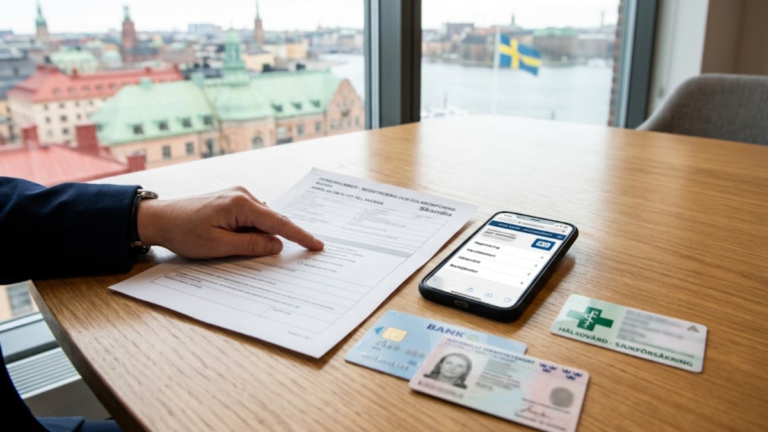

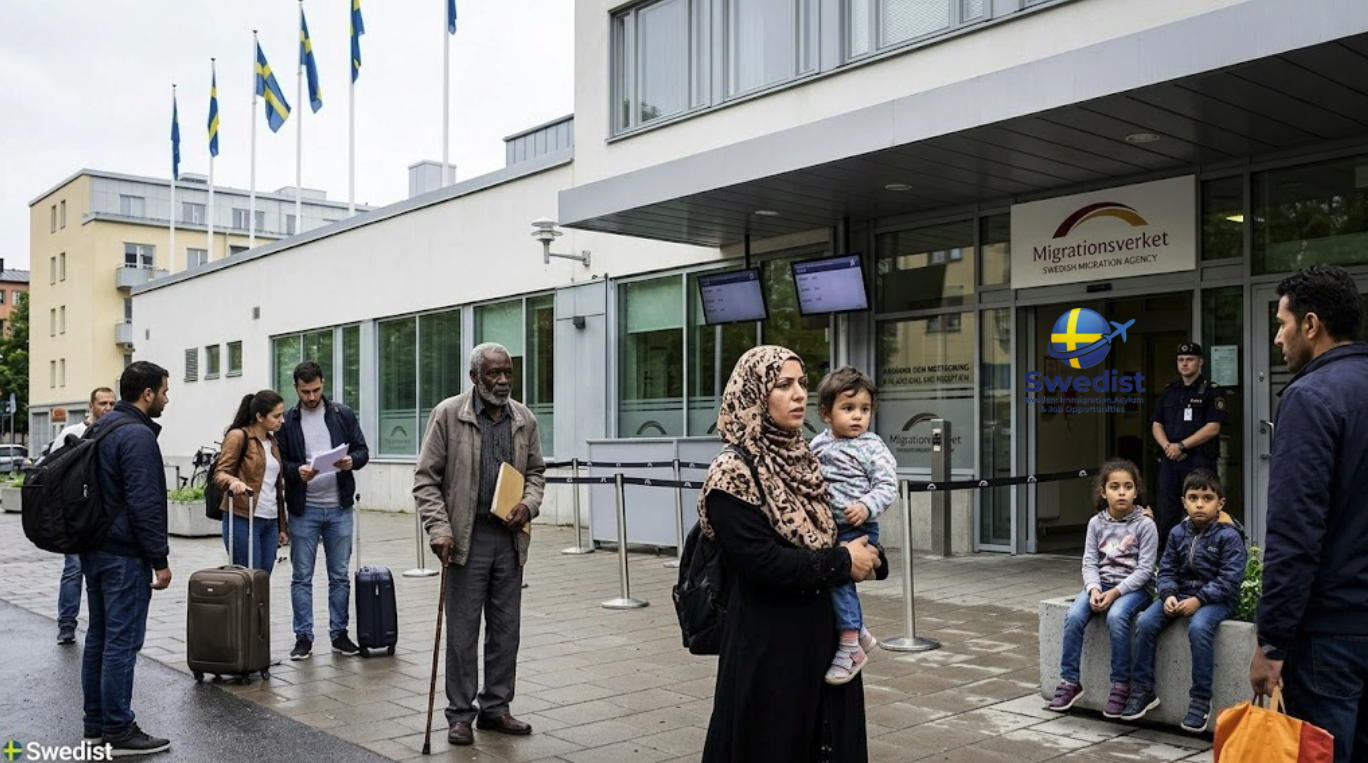
Stockholm — Swedist: Sweden asylum system changes have triggered a historic nationwide discussion, reshaping the country’s reputation as a traditional humanitarian haven. For decades, the global community viewed this Scandinavian nation as the ultimate sanctuary for displaced individuals seeking security and a fresh start. However, a series of legislative transformations has fundamentally altered those long-standing guarantees, creating an entirely new landscape for thousands of immigrants.

This shifting political reality has prompted integration administrators to completely rethink their open-door philosophy. While government officials defend these updates as essential measures to protect the welfare state and improve public safety, critics argue they dismantle core humanitarian values. Are these updates a necessary structural fix to manage integration, or have they permanently ended the dream of Swedish refuge?
What Do These Massive Legal Shifts Actually Mean?
The sweeping overhaul represents what the government itself calls a structural “Paradigm Shift” in national migration policy. This administrative pivot officially marks the end of an era that peaked over a decade ago. In 2015, the country welcomed approximately 160,000 asylum seekers in a single year—one of the highest per capita rates in Europe.

+--------------------------------------------+-----------------------+
| Historical Migration Timeline              | Total Asylum Claims   |
+--------------------------------------------+-----------------------+
| Peak Migration Period (2015)               | 160,000               |
+--------------------------------------------+-----------------------+
| Modern Post-Reform Period                  | 10,000                |
+--------------------------------------------+-----------------------+
According to data compiled by official statutory records, annual applications have plummeted to just about 10,000, reaching the lowest volume since 1985. State administrators argue that past policies were too permissive, leading to serious integration deficits and contributing to a rise in organized crime. Conversely, human rights advocates counter that these updates penalize vulnerable individuals who genuinely require international protection.
Understanding the New Rules of Permanent Residency and Asylum
The operational mechanics of Scandinavian immigration now rely on strict limits that replace the previous, more welcoming framework. Understanding these core changes reveals how difficult the pathway to permanent settlement has become for new arrivals.
The Phasing Out of Permanent Residency
Historically, obtaining permanent status was the standard outcome for individuals granted refugee status. Today, temporary resident permits have become the mandatory rule across all protection categories.
The Swedish Migration Agency has confirmed that the traditional system of linking asylum directly to permanent residency is being systematically phased out. With new regulations taking effect during the summer, permanent protection visas are being eliminated in almost all refugee cases, leaving applicants reliant on continuous temporary renewals.
Strict Reception Center Constraints
The choices available to individuals awaiting a decision have also changed significantly. Previously, applicants could choose their own private housing while their files were reviewed.
Under the current rules, applicants must reside in designated reception centers managed directly by the Migration Agency to qualify for any state financial assistance. Refusing to live in these specified locations results in an immediate loss of daily allowances, and authorities may treat the application as abandoned if a verifiable address is not maintained.
The Path to Citizenship: Longer Timelines and Harder Demands
Securing a Swedish passport has become significantly more difficult as parliament tightens naturalization standards. Swedist has learned from legislative updates that these strict requirements apply retroactively to all pending applications that have not yet received a final decision.
Extended Residency and Language Demands
The minimum residency requirement for citizenship has been extended from five years to a standard eight years for most applicants. Additionally, individuals must pass formalized language tests to prove a functional command of the language, alongside a civics examination demonstrating knowledge of local societal values.
Financial Self-Sufficiency and Background Checks
Applicants must also prove they can fully support themselves financially without relying on specific state welfare benefits. Furthermore, background checks have become much stricter; any notable criminal record or history of legal non-compliance can delay citizenship eligibility by several years.
Moving Toward the European Minimum: A New Selective Model
The government openly states that its primary objective is to lower national immigration figures to the absolute minimum levels allowed under European Union law. Officials want to ensure the country is no longer seen as a disproportionately attractive destination within the region.
This strategy focuses on shifting the entire nature of incoming migration. According to official figures, refugees used to comprise roughly 31% of all incoming migrants; today, that proportion has dropped to a mere 6%.
Instead of humanitarian admissions, the state explicitly prioritizes highly skilled international workers, specialized professionals, and individuals who can immediately contribute to the economy.
Voluntary Return Incentives and the Broader European Context
One of the most intensely debated aspects of the new strategy is a proposal to dramatically increase financial grants for voluntary repatriation. The plan offers up to 350,000 Swedish Krona (approximately €32,000) per person to encourage individuals who have struggled with integration to return to their countries of origin.
“This proposal represents a divisive approach to integration,” stated a local municipality representative during a regional policy debate. “Instead of supporting inclusion, it encourages exclusion.”
Despite pushback from dozens of local municipalities that refuse to cooperate with the initiative, the federal government maintains that promoting voluntary return is a legitimate administrative tool.
This tightening of national borders aligns closely with broader regional policies, specifically the implementation of the EU Pact on Migration and Asylum. This European framework unifies regional asylum rules, tightens external borders, and fast-tracks application reviews, proving that the local shift is part of a wider continental trend.
Navigating the Structural Shift: Old vs. New
| Policy Feature | The Traditional System | The Modern Post-Reform Framework |
| Residency Options | Permanent residency was standard for refugees. | Temporary permits are mandatory; permanent paths are phased out. |
| Citizenship Timeline | Eligible after 5 years of continuous residency. | Extended to a minimum of 8 years for most applicants. |
| Housing Rules | Applicants could choose private accommodations. | Mandatory stay in official reception centers to receive aid. |
| Integration Demands | No formal language or civics testing required. | Mandatory language proficiency and societal knowledge tests. |
Frequently Asked Questions
Do the new citizenship timelines apply to applications submitted years ago?
Yes, the Migration Agency has confirmed that the updated citizenship criteria apply to all pending files that have not yet received a final decision, regardless of when the initial paperwork was submitted.
What happens to financial aid if an applicant leaves a reception center?
If an applicant chooses to live outside the officially designated reception centers, they immediately forfeit their right to daily financial allowances and structural support from the government.
Can an individual still apply for an exemption from the language test?
Exemptions for language and civics requirements are extremely limited under the new legislation, generally applying only to specific medical conditions or individuals unable to meet the criteria due to documented cognitive impairments.
Does the voluntary return grant apply to naturalized citizens?
The proposed voluntary return financial incentive is specifically designed for temporary or permanent resident permit holders who have not obtained full citizenship and wish to permanently resettle in their native countries.
The era of open, straightforward access to Scandinavian refugee protections has clearly transformed. While the state continues to honor its core international legal commitments to evaluate claims, the implementation of strict residency limits, longer citizenship tracks, and rigid integration metrics demonstrates a clear priority for selective entry. If the country still honors the formal right to seek protection, why do so many new arrivals feel that the nation they reached no longer reflects the welcoming society they originally envisioned?