
Stockholm – Swedist: What truly makes a country a sanctuary? Is it the speed of the legal paperwork, the warmth of the local community, or the depth of the social safety net? For millions escaping conflict, identifying the leading countries for refugee resettlement and aid is a matter of survival and future dignity. While every nation follows international treaties, the practical reality of starting over varies significantly from the snowy streets of Stockholm to the bustling suburbs of Toronto. Let’s look at how the world’s most sought-after asylum systems actually perform in 2026.

Sweden: The evolving Nordic sanctuary
Sweden has long been a global symbol of humanitarianism. For decades, it was the “Swedish Dream” for those seeking a dignified life, but the landscape has shifted. While the country remains one of the leading countries for refugee resettlement and aid, the system has transitioned from a wide-open door to a more controlled and demanding process.
The “Swedish Model” is famous for its high-quality social services. If you are granted protection here, the support is comprehensive—ranging from high-standard housing to monthly financial stipends. However, the government has recently tightened residency rules and increased the pressure on integration.

Employment: The market is strong but highly specialized. Without a solid grasp of the Swedish language, finding stable work can be a steep uphill battle.
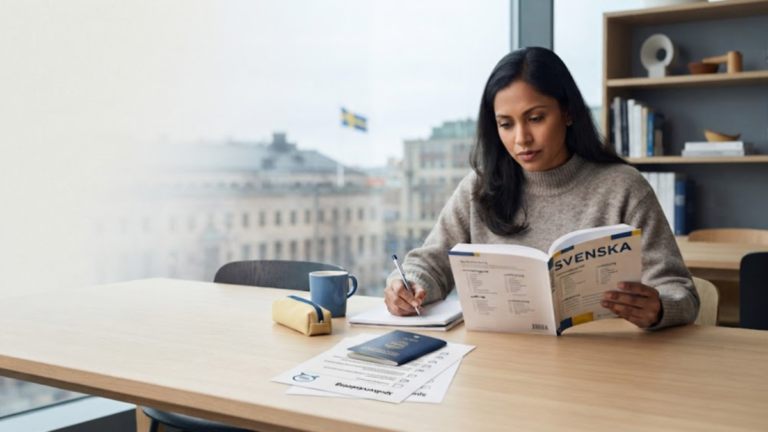
The Language Factor: While most Swedes are fluent in English, everyday life and professional careers require Swedish. The state provides “SFI” (Swedish for Immigrants) courses, which are essential for any real progress.
A New Reality: Sweden is no longer as flexible as it was five years ago. Stricter reception policies mean that applicants must be prepared for more rigorous scrutiny and a greater emphasis on individual effort in integration.
Canada: The benchmark for multicultural integration
Across the Atlantic, Canada continues to set the pace for what successful resettlement looks like. Its geographical isolation serves as a natural filter, but its internal policies are arguably the most welcoming in the world.
The Canadian economy isn’t just “open” to refugees; it’s practically designed around them. With an aging population and vast territory, the country views newcomers as the engine of its future.
The Job Market: Massive opportunities in tech, healthcare, and logistics.
The “Welcome” Culture: Unlike many European nations where refugees might feel like outsiders for years, Canada’s multicultural identity makes integration feel natural.
The Trade-off: The main drawback? Processing times. Because the vetting is so thorough, some families wait years in a legal limbo before their permanent status is finalized.
Germany: Europe’s industrial engine for newcomers
Germany remains the heavyweight of European asylum. It consistently grants the highest number of protection statuses in the EU, driven by a pragmatic need for workers.
If you are a refugee who wants to work immediately, Germany is often the top choice. The country is desperate for laborers in construction, nursing, and industry.
Work First: Asylum seekers can often access the labor market much faster than in other EU states, provided they meet specific legal windows.
Bureaucratic Efficiency: While the system is paper-heavy and can feel slow, it is highly organized. Once you are in the system, the path to healthcare and language training is very clear.
The Challenge: German is a difficult language to learn, and the sheer volume of applicants can sometimes lead to overcrowded initial reception centers.
Spain and France: Balancing lifestyle with bureaucracy
For those who prioritize social warmth and a faster linguistic transition, Spain has become a major destination. On the other hand, France offers a powerful economic base but comes with its own set of hurdles.
Spain: The Southern European gateway
Spain’s system is notably more flexible in how applications are submitted. You can apply at the border, at ports, or even inside the territory.
The Vibe: Spanish society is generally more socially inclusive and less rigid than Northern Europe.
The Support: Programs can last up to 18 months, covering housing and social aid. However, wages are lower, and the job market is heavily focused on tourism and agriculture.
France: The bureaucratic labyrinth
France is economically powerful and offers great education, but its administrative “red tape” is legendary.
Language is King: Without French, you are practically invisible in the job market.
Urban Pressure: In cities like Paris, housing is incredibly scarce, often leading to long waits for state-provided accommodation.
Comparing the top destinations at a glance
To help make sense of these complex systems, we’ve broken down the data from the UNHCR and EUAA into a digestible format.
| Country | Best For… | Language Difficulty | Work Access | Social Safety Net |
| 🇸🇪 Sweden | Social Welfare | Moderate | Competitive | Very Strong |
| 🇨🇦 Canada | Citizenship | Easier | Very Strong | Strong |
| 🇩🇪 Germany | Fast Employment | Difficult | Excellent | Strong |
| 🇪🇸 Spain | Social Integration | Easier | Moderate | Good |
| 🇫🇷 France | Education | Moderate | Good | Moderate |
The “Dublin” Reality: What you must know
Navigating the leading countries for refugee resettlement and aid in Europe involves understanding the “Dublin Regulation.” This EU law states that the first country you enter is responsible for your claim. This is a critical observation for anyone crossing through several countries to reach a specific destination; your “fingerprints” in Greece or Italy could legally prevent you from seeking asylum in Sweden or Germany.
Furthermore, EU laws (via the EUAA) mandate a minimum standard of dignity for all applicants. This includes:
Access to Healthcare.
Education for children.
Basic housing and food support.
Legal representation.
Final Verdict: Which system wins?
The “best” country is entirely subjective. If you have a family and value a deep social cushion, Sweden remains a top-tier choice. If you are young, skilled, and want a passport that opens doors globally, Canada is the winner. If you want to start a manual job next month and don’t mind a difficult language, Germany is your destination.
As policies shift toward more restrictive measures across the EU, the key for any asylum seeker is early language acquisition and a proactive approach to the local labor market.
Frequently Asked Questions
Can I choose which country to apply to in the EU?
Technically, no. Under the Dublin Regulation, the first EU country you enter is usually the one responsible for your case. If you move to Sweden after entering through Spain, you may be sent back to Spain.
How long does it take to get a work permit in Germany?
It varies, but typically after 3 to 9 months, depending on your residency status and the type of housing you are in. Germany is currently making efforts to shorten this window to address labor shortages.
Is Canadian asylum faster than European systems?
Not necessarily. While Canada is very welcoming, their security screenings are extremely thorough. Some applicants wait 2 to 3 years for a final decision, whereas some European countries aim to resolve cases within 6 to 12 months.
Does Sweden still provide free housing for refugees?
Yes, but with caveats. While you are an asylum seeker, you are provided with housing (often in reception centers). Once you are granted a permit, you are expected to find your own home, though the state provides significant guidance and initial subsidies.
The journey of a refugee is never easy, but choosing a destination that aligns with your professional skills and family needs can make the difference between a life of waiting and a life of rebuilding.…More
Contact: info@alswedalyom.com