

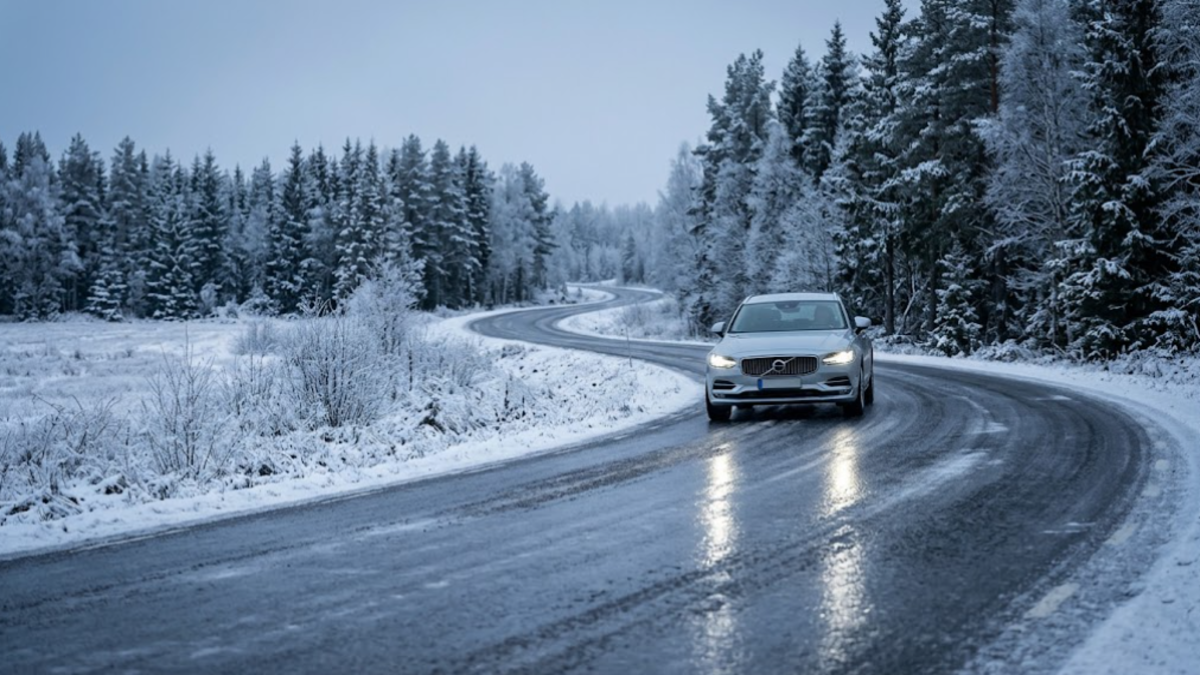
Black Ice Warnings in Sweden: Drivers Urged to Slow Down as Roads Turn Dangerous
Sweden is facing warnings of extremely slippery road conditions in several central counties, with police urging motorists to reduce their speed and keep a safe distance from other vehicles. The warning, published on 20 October, covers Västmanland, Gävleborg and Uppsala counties, where authorities have received reports of hazardous icy patches.

The main danger is black ice, a thin, often nearly invisible layer of ice that can make a road look wet while offering very little grip. The conditions pose a particular risk to commuters, professional drivers and anyone travelling early in the morning or late in the evening.
The warning highlights how quickly Swedish road conditions can change as temperatures fall and moisture freezes on the road surface. Drivers should check local traffic updates before travelling and be prepared to adjust their plans if conditions deteriorate.


Krisinformation.se
+1
Which areas of Sweden are affected by the ice warning?
According to Krisinformation.se, the police warning issued on 20 October identifies three counties in central Sweden:
Västmanland County: Drivers should be alert to reports of slippery road surfaces and changing grip.
Gävleborg County: Police have received reports of extremely icy conditions in several locations.
Uppsala County: Motorists are being urged to reduce speed and maintain a safe distance from vehicles ahead.
The official announcement does not identify every affected road or establish that all roads throughout these counties are icy. Conditions may vary considerably between locations, so drivers should check the latest traffic information before setting off.
Krisinformation.se
What is black ice and why is it so dangerous?


7
Black ice, known in Swedish as svarthalka and also referred to as blixthalka, can form when moisture freezes on a cold road surface. It is particularly dangerous because the ice may be difficult to distinguish from ordinary wet asphalt.
According to the Swedish Transport Administration, the risk increases when temperatures fluctuate around freezing. The air can remain above zero while the road surface is colder, allowing ice to develop unexpectedly.
Trafikverket
Certain locations deserve extra attention:
Bridges and overpasses: These surfaces cool quickly because cold air can circulate above and below them.
Roads beside lakes and rivers: Moisture and local temperature changes can contribute to slippery conditions.
Shaded stretches: These areas may remain cold enough for ice to persist.
Roads during early mornings and late evenings: Falling temperatures can cause moisture to freeze, sometimes within a short period.
Black ice can appear in isolated patches rather than across an entire road. A stretch that seems safe may therefore be followed by a section with substantially less traction.
How drivers should respond to icy roads
Police have specifically advised motorists in the affected counties to slow down and increase the distance between vehicles. The Transport Administration also recommends avoiding sudden movements when black ice is possible.
Krisinformation.se
+1
Drivers should take the following precautions:
Reduce speed before reaching a potentially icy section. Do not wait until the vehicle begins to slide.
Increase the following distance. Leave additional room to react and brake.
Steer, accelerate and brake smoothly. Sudden inputs can cause the tyres to lose their grip.
Avoid unnecessary overtaking. Manoeuvres that require rapid acceleration or steering are especially risky on slippery surfaces.
Check tyres and seasonal equipment. Make sure the vehicle is appropriately equipped for the prevailing conditions.
Postpone non-essential journeys if conditions are unsafe. Reaching a destination late is preferable to risking a serious collision.
If the vehicle begins to skid, avoid abrupt braking or sharp steering. Look in the direction you want the vehicle to travel and make controlled adjustments. The appropriate response depends on the vehicle, its safety systems and the circumstances, so prevention remains the priority.
Check traffic and weather information before travelling
Motorists can consult these official resources:
Trafikverket for road conditions, traffic incidents and road maintenance information: Official traffic information.
SMHI for weather forecasts and current warnings: SMHI weather forecasts.
Swedish public crisis information for practical travel advice: Krisinformation.se — Transport disruptions.
Checking the forecast alone is not enough. Local road conditions can differ from the general weather, and black ice may develop between updates.
What is Sweden doing to reduce the risk?
The Swedish Transport Administration says its winter road maintenance includes preparations for snow clearance and measures to combat slippery conditions. Its regional operations use weather stations to monitor factors including road-surface temperature, humidity and precipitation. Some stations also have road-condition cameras.
Trafikverket
These systems help authorities identify risks and plan maintenance, but they cannot guarantee that every icy patch will be detected or treated before a driver reaches it.
That limitation is particularly relevant to black ice, which can form rapidly and in isolated locations. Even a road that has been treated may become slippery again if weather conditions change.
Frequently asked questions
Is black ice visible on the road?
Often, it is not easily visible. The surface may look wet or simply dark, making it difficult to distinguish from normal asphalt.
Can black ice form when the air temperature is above zero?
Yes. The road surface can be colder than the surrounding air, allowing moisture to freeze even when the air temperature is slightly above freezing.
Which Swedish counties are covered by the current warning?
The police warning published on 20 October identifies Västmanland, Gävleborg and Uppsala counties. It reports hazardous conditions in several locations, not necessarily on every road in those counties.
Should I drive if black ice is expected?
If the journey is not essential and conditions are unsafe, postponing it is the safer choice. If you must travel, check official updates, use appropriate tyres, reduce speed and leave extra space between vehicles.
Editorial assessment: Caution matters more than speed
The latest warning is a reminder that Sweden’s transition into colder weather brings road risks that are not always obvious to motorists. Black ice is particularly dangerous because drivers may have little visual warning before their vehicles lose traction.
Road maintenance, weather monitoring and timely police warnings all contribute to safer travel. However, these measures cannot eliminate the risk entirely.
The most sensible response is to treat reports of icy conditions seriously, plan journeys with extra time and adjust driving to the actual road surface rather than the posted speed limit. When grip is uncertain, slowing down and allowing more space can make a critical difference.
Official Sources
1. Krisinformation.se — Extremely icy road conditions in several counties — https://www.krisinformation.se/en/latest/news/polisen-varnar-for-halka-i-flera-lan/
2. Swedish Transport Administration — Risk of black ice approaching in western Sweden: Drive carefully — https://www.trafikverket.se/om-oss/nyheter/lansnyheter/vastra-gotaland/2026/risken-for-svarthalka-narmar-sig-i-vastsverige–kor-forsiktigt/
3. Krisinformation.se — Transport disruptions — https://www.krisinformation.se/en/get-prepared/make-a-plan/transport-disruptions/
4. Swedish Transport Administration — Traffic information — https://www.trafikverket.se/trafikinformation/
5. Swedish Meteorological and Hydrological Institute (SMHI) — Official weather information — https://www.smhi.se/
Contact: info@alswedalyom.com