
STOCKHOLM – SWEDIST: The landscape of Asylum in Europe has reached a historic crossroads, and Sweden, once the gold standard of humanitarianism, is now leading the charge in the opposite direction. For decades, the “Swedish Model” was a beacon of hope for millions, but in 2026, that beacon has dimmed significantly. We are witnessing a systemic shift that isn’t just about administrative changes; it’s about a fundamental redefinition of what it means to be a sanctuary. The question everyone is asking is: has Sweden reached its limit?

As we walk through the streets of Stockholm, the change is palpable. You don’t need to look at government spreadsheets to feel the tension. The hospitality that once defined this nation has been replaced by a cautious, almost clinical approach to newcomers. Why did a country that once accepted more refugees per capita than almost any other suddenly pull the handbrake? The reality of Asylum in Europe today is one of fatigue, and Sweden is the clearest example of this exhaustion.
The Seismic Shift in Swedish Migration Laws and Border Control
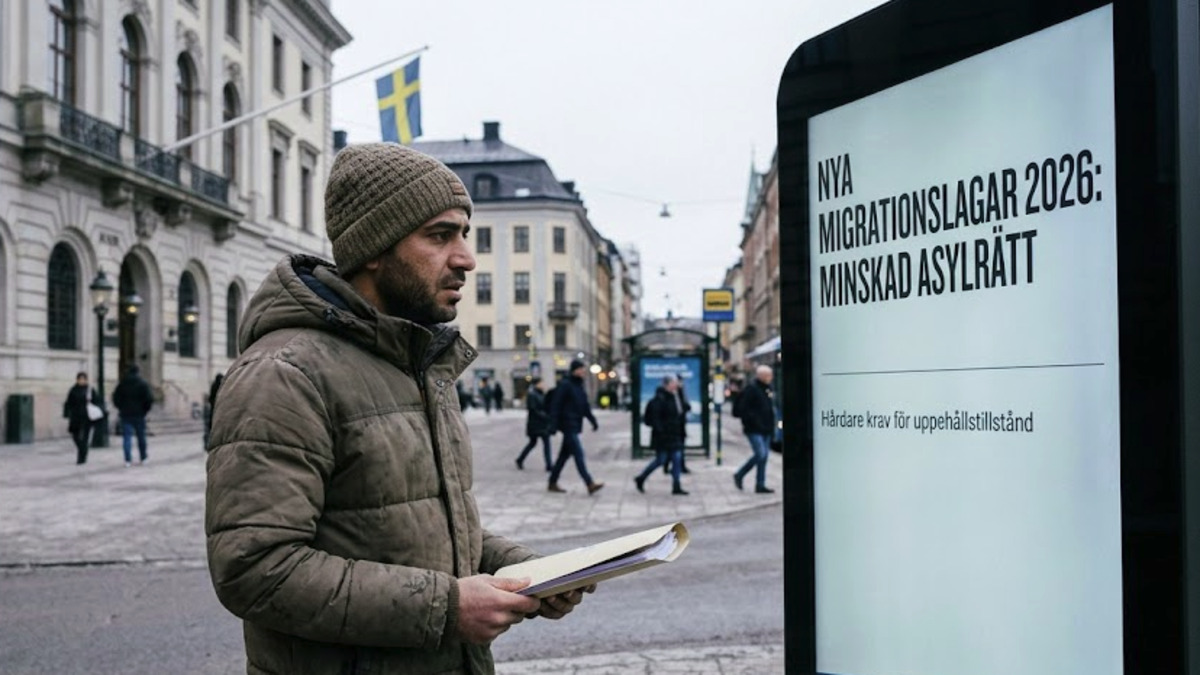
The primary driver behind this transformation is the introduction of draconian Migration Laws that have effectively dismantled the old system. While other European nations are still debating their next steps, Sweden has already implemented policies that prioritize deterrence over integration. These laws are designed to send a message to anyone considering the long journey north: the door is no longer wide open.

Unlike Spain, which is currently exploring more flexible paths for its migrant population, Sweden has moved toward a “zero-tolerance” framework for secondary movements. This means if you have touched foot in another EU country, your chances of staying in Sweden are virtually non-existent. It’s a harsh reality for those navigating the complex web of Asylum in Europe. The government has even gone as far as establishing “return centers” specifically designed to facilitate rapid deportations, a move that has sparked intense debate among human rights advocates.
Furthermore, the criteria for Asylum Acceptance have been tightened to levels unseen in 40 years. It’s no longer enough to be from a conflict zone; you must prove a direct, individual threat that is almost impossible to document in the chaos of war. This administrative wall is far more effective at reducing numbers than any physical fence could ever be. In 2015, the focus was on how to help; in 2026, the focus is entirely on how to legally exclude.
Comparing the Humanitarian Cost: Sweden vs. the World
When we compare Sweden to a country like Canada, the difference in philosophy is staggering. Canada manages migration like a corporate talent search—organized, selective, but ultimately welcoming to those who fit the criteria. Sweden, conversely, now views migration through the lens of national security and social cohesion risks. This shift has placed a massive strain on Family Reunification rights, which were once considered sacred here.
The Broken Promise of Family Reunification
For many, the hardest blow has been the restriction of Family Reunification. In the past, if you were granted asylum, your family was almost guaranteed a seat on the next flight. Today, the requirements for income and housing have turned this right into a privilege for the wealthy.
The Housing Trap: To bring your family, you must have a home of a specific size. In Sweden’s housing crisis, finding such an apartment is like finding a needle in a haystack.
Financial Barriers: You must prove you can support every family member without a single crown of government assistance.
This policy has created a generation of “split families” living in limbo. While Canada actively promotes family units as a tool for better integration, Sweden’s current stance seems to be that families are a burden on the welfare state. It is a heartbreaking reality that has left many wondering if they chose the wrong destination when they sought Asylum in Europe.
The Route to the North: A Perilous Journey to a Cold Reception
The Migration Routes that lead to the Swedish border are among the most difficult in the world. Most people arriving in Stockholm have already survived the Mediterranean or the dangerous Atlantic route to the Canary Islands, only to spend months traversing the European continent. By the time they reach the Swedish border, they are exhausted, traumatized, and in search of peace.
Instead of peace, they are met with a bureaucratic machine that is increasingly hostile. France, for instance, remains a major hub for asylum seekers, but its system is plagued by inefficiency. Sweden, on the other hand, is terrifyingly efficient at saying “no.” The contrast is clear: while Spain offers a “rising” destination with more flexible policies, Sweden has become a “retreating” destination, actively shedding its reputation as a haven.
Asylum Acceptance: The Odds are No Longer in Your Favor
If we look at the statistics of Asylum Acceptance, the decline in Sweden is dramatic. The approval rate for most nationalities has plummeted, as the state now leans heavily on the “internal flight alternative”—the idea that you could simply move to a “safer” part of your own war-torn country. This legal loophole has become the primary tool for rejecting claims that would have been approved a decade ago.
As journalists observing this shift, we must ask: what is the long-term cost? By shutting its doors so firmly, is Sweden protecting its society, or is it losing the very values that made it great? The debate over Asylum in Europe is far from over, but for now, the Swedish chapter is one of closed borders and broken dreams.
FAQ
Is it still possible to get permanent residency in Sweden as an asylum seeker?
It is extremely difficult. Most permits are now temporary and tied to strict conditions of employment and language proficiency.How does Sweden’s acceptance rate compare to Spain or Canada?
Sweden’s rate is currently much lower for “humanitarian” claims compared to Spain’s rising flexibility and Canada’s structured acceptance.
What happens if my family reunification is denied?
You have the right to appeal, but the legal process is lengthy and requires proving that the rejection violates basic human rights, which is a very high legal bar in Sweden today.Are there specific migration routes that Sweden still supports?
Sweden is primarily focusing on “quota refugees” selected through the UNHCR, rather than those who arrive at the border spontaneously.
Contact: info@alswedalyom.com