

Winter Driving and Tyre Regulations in Sweden: What Drivers Need to Know
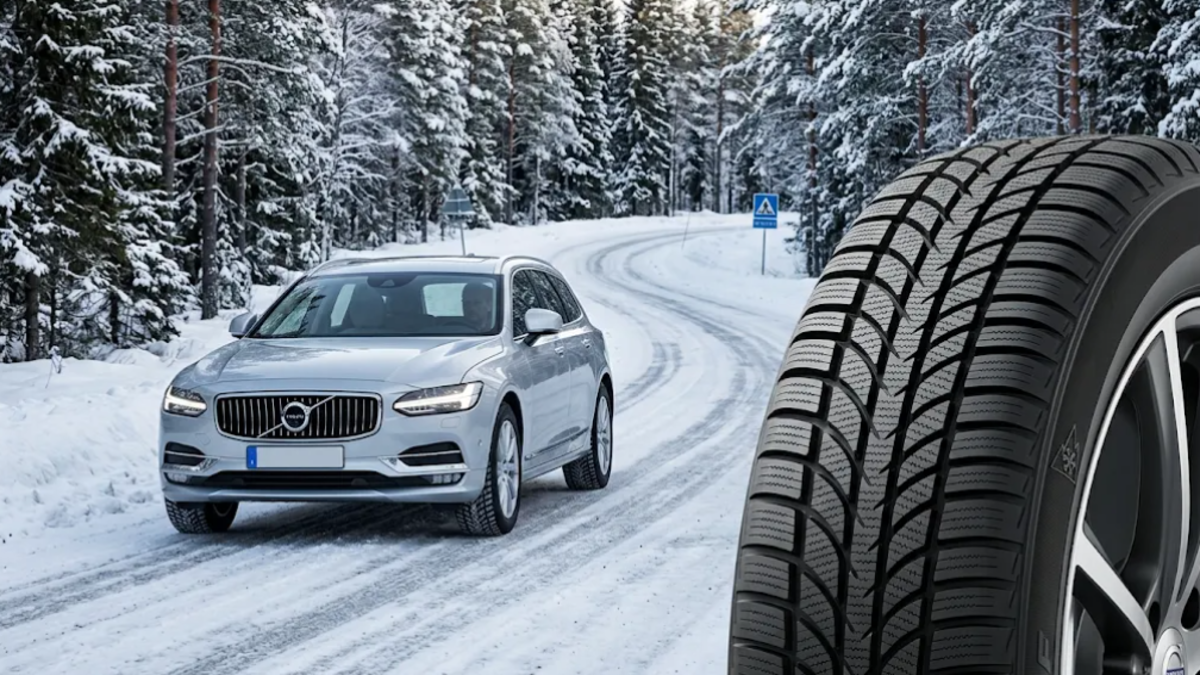
Winter driving in Sweden comes with specific tyre requirements, and the rules are particularly important as temperatures fall and icy conditions return. For most passenger cars, winter tyres are legally required from 1 December to 31 March when winter road conditions prevail. Heavy goods vehicles and buses face a longer mandatory period under rules introduced for the 2025–2026 winter season.

The regulations apply to Swedish-registered and foreign-registered vehicles travelling on Swedish roads. Drivers should check their tyres before setting off, understand the difference between studded and non-studded winter tyres, and remember that local road conditions can determine whether winter equipment is compulsory.
When are winter tyres compulsory in Sweden?
For passenger cars and other light vehicles, the legal requirement applies between 1 December and 31 March, but only when winter road conditions exist.

Winter road conditions are defined as the presence of snow, ice, slush or frost on any part of the road. The Swedish Police decide whether these conditions apply at a particular location.
This means that the calendar dates alone do not automatically make winter tyres compulsory for ordinary passenger cars. The condition of the road also matters.
The tyres must have a tread depth of at least 3 millimetres. The requirement also covers trailers pulled by these vehicles. For heavier campervans classified as passenger cars class II with a total weight above 3,500 kg, the minimum is 5 millimetres.
Transportstyrelsen+2
New winter tyre rules for heavy vehicles
A significant change applies to heavy goods vehicles and buses. Under amendments to Sweden’s Traffic Ordinance, heavy trucks, heavy buses and their trailers must be equipped with winter tyres or equivalent equipment from 10 November to 10 April.
Unlike the requirement for ordinary passenger cars, this obligation applies throughout the specified period, regardless of whether winter road conditions are present.
The change was introduced through Regulation SFS 2025:881, published in October 2025. The detailed tyre requirements were set out in Transport Agency regulations TSFS 2025:68, which entered into force on 1 November 2025.
svenskforfattningssamling.se+1
For heavy vehicles, the rules specify:
Winter tyres must be fitted across the vehicle combination, including the trailer.
Tyres must meet the applicable marking requirements, including the Alpine symbol, POR marking or studs.
Heavy trucks and buses must have at least 5 millimetres of tread depth during winter road conditions.
The distinction matters for transport companies and international operators planning journeys through Sweden. A vehicle that complied with the previous seasonal arrangements may need to be checked against the updated requirements.
Which winter tyres are legal in Sweden?
Sweden recognises both studded and non-studded winter tyres, but non-studded tyres must carry the correct approval marking.
The Alpine symbol: what drivers should look for
The Alpine symbol, also known as 3PMSF, shows a mountain with three peaks and a snowflake. It identifies tyres that meet the relevant requirements for winter use.
For passenger cars and light vehicles, non-studded winter tyres must carry this symbol to qualify under the current rules. A tyre marked only M+S, M-S, M&S or Mud and Snow is not sufficient for an ordinary passenger car.
There is a transitional exception for certain light trailers: tyres specifically manufactured for winter conditions and carrying approved M+S-type markings remain accepted until 30 November 2028.
Heavy vehicles have separate provisions. M+S-type markings can be accepted on certain axles, but not on the front or drive axles of the towing vehicle.
Transportstyrelsen+1
Studded or non-studded tyres?
Both types can be used legally when they meet the relevant requirements. The choice depends on where and how the vehicle is driven.
Studded tyres can provide additional grip on icy roads.
Non-studded winter tyres avoid metal studs and are available in designs suited to Nordic winter conditions.
All-season tyres should not automatically be assumed to meet Sweden’s legal winter tyre requirements. Drivers must check the actual markings and approval.
The Swedish Transport Administration recommends good-quality winter tyres, appropriate speed and driving according to the road surface. It also advises placing the tyres with the best grip at the rear to reduce the risk of skidding.
Trafikverket+1
When are studded tyres allowed?
Studded tyres are generally permitted from 1 October to 15 April.
They may also be used outside these dates if winter road conditions prevail or are expected. Conversely, their use is prohibited from 16 April to 30 September when winter conditions do not apply or are not expected.
The restriction is linked to air quality. Studded tyres can generate harmful airborne particles as the studs wear against dry road surfaces. Swedish authorities have highlighted the need to balance winter road safety with the health effects of particulate pollution.
Polisen+1
Drivers should also check local traffic restrictions. Certain streets may prohibit studded tyres even during the winter season.
Trailer rules: an important detail
Drivers towing trailers must pay attention to the tyres on both vehicles.
For light vehicles, a trailer must have winter tyres or equivalent equipment when winter road conditions apply during the mandatory period.
If the towing car has studded tyres, the trailer must also have studded tyres when winter conditions prevail. If the car has non-studded winter tyres, the trailer may use either studded or non-studded winter tyres.
The tread depth requirement for light-vehicle trailers is at least 3 millimetres during winter road conditions.
Transportstyrelsen+1
Practical winter driving checks before setting off
Meeting the legal minimum is not the same as being fully prepared for difficult winter roads. Before a winter journey, drivers should check:
Tyre markings: Confirm that non-studded winter tyres carry the required Alpine symbol.
Tread depth: Check that the tyres meet the legal minimum and have sufficient grip for the expected conditions.
Tyre condition: Look for cracks, uneven wear and visible damage.
Tyre pressure: Check pressure according to the vehicle manufacturer’s recommendations.
Trailer compatibility: Make sure the trailer meets the applicable winter requirements.
Weather and road conditions: Check forecasts and traffic information before travelling, especially on longer journeys.
The Swedish Transport Administration also stresses the importance of adjusting speed to the road surface and maintaining a safe distance from the vehicle ahead. Electronic stability control can improve safety, but it cannot compensate for excessive speed or inadequate tyres.
Trafikverket
What foreign drivers need to know
Sweden’s winter tyre requirements also apply to vehicles registered abroad. Visitors, holidaymakers and international transport operators cannot rely solely on the regulations in their country of registration.
Anyone planning to drive into Sweden during the winter should check the vehicle’s tyre markings, tread depth and trailer equipment before crossing the border. This is particularly relevant for drivers arriving from countries where winter tyre rules are based on different dates or technical standards.
Our assessment: preparation matters more than the calendar
Sweden’s winter tyre regulations reflect the country’s challenging winter driving conditions, but the rules are not identical for every vehicle. Passenger cars are subject to a weather-dependent requirement, while heavy trucks and buses must comply with a longer fixed period.
For drivers, the safest approach is to prepare before winter conditions arrive rather than wait for the legal deadline. Correctly approved tyres, sufficient tread depth and a speed adapted to the road remain essential, even when a vehicle technically meets the minimum legal requirements.
Official Sources
Swedish Transport Agency — Winter tyres: https://www.transportstyrelsen.se/en/road/vehicles/winter-tyres/
Swedish Transport Agency — TSFS 2025:68, amendments to tyre regulations: https://www.transportstyrelsen.se/TSFS/TSFS%202025_68.pdf
Swedish Government — SFS 2025:881, amendment to the Traffic Ordinance: https://svenskforfattningssamling.se/sites/default/files/sfs/2025-10/SFS2025-881.pdf
Swedish Police — Winter and summer tyres: https://polisen.se/lagar-och-regler/trafik-och-fordon/vinter–och-sommardack/
Swedish Transport Administration — Tyres and winter driving safety: https://www.trafikverket.se/resa-och-trafik/trafiksakerhet/sakerhet-pa-vag/dack/
Contact: info@alswedalyom.com