
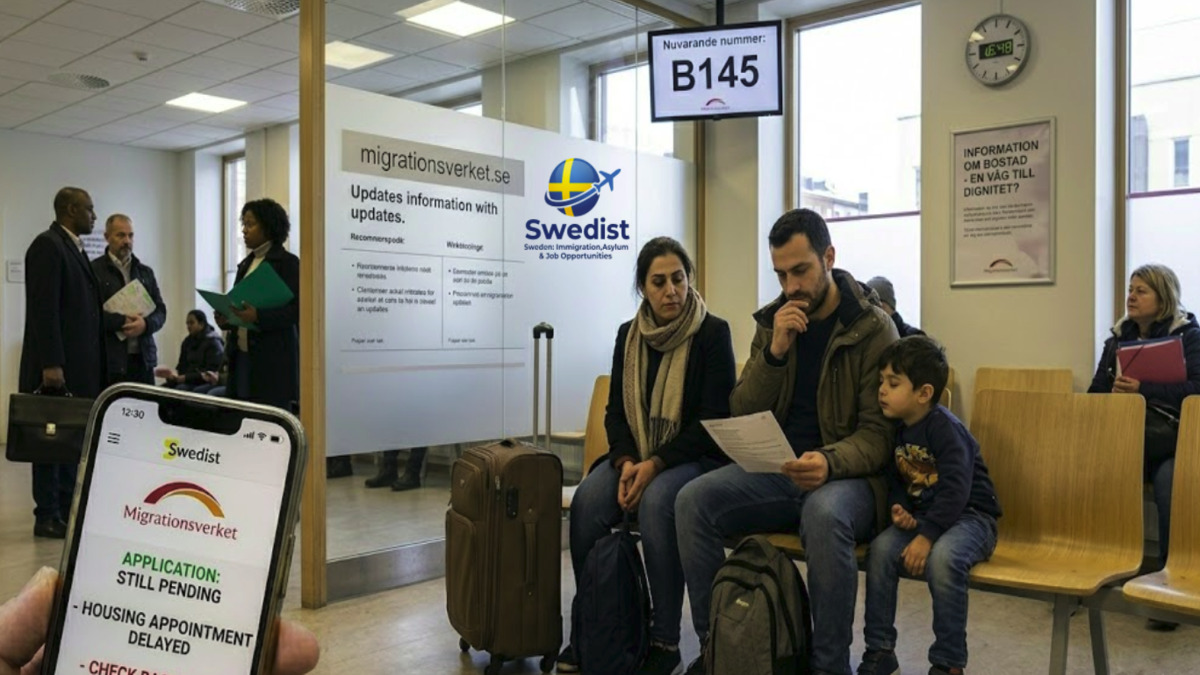
Swedist – Stockholm: Searching for the Best countries for immigration has become one of the most complex, high-stakes decisions a person can make in the modern era. Years ago, the path seemed clear. You chose a destination based on its reputation for openness, economic promise, or social welfare. If you wanted asylum, you looked toward the Nordic model. If you wanted stability and high wages, you aimed for North America. But the global map of migration is being redrawn, and for many, the destination they dreamed of yesterday looks nothing like the one they find today.

The global narrative has shifted from an “open door” policy to a “hyper-selective” one. Governments are under immense pressure to balance economic growth with housing shortages, infrastructure strains, and rising social tensions. This creates a volatile environment where the rules of the game change while you are still packing your bags. Are you chasing an outdated dream, or is there still a place where a newcomer can be treated with genuine dignity?
The Illusion of the Open Door
Let’s be honest, the global consensus on migration has fractured. We have moved away from an era where “reputation” was enough to guarantee a smooth transition. When our team at [Swedist] speaks to migrants, we hear a recurring theme: the disconnect between what is promised in government brochures and the reality of the daily grind.

In the past, Sweden was often viewed as the ultimate sanctuary—a place where humanitarian values outranked administrative hurdles. Today, the asylum process is undeniably stricter. Similarly, nations that were once considered the ultimate engines of opportunity are now struggling with the unintended consequences of rapid population growth, particularly in housing and healthcare. It is a sobering realization. The criteria to enter are no longer just about your skills or your need; they are about whether the destination country can actually sustain your arrival without causing domestic friction.
Why the Dream Feels Different Now
We are witnessing a structural change in how countries value residency. The “Best countries for immigration” label often ignores the hidden costs of moving abroad. It is not just about the visa stamp. It is about the social environment you step into the moment you land.
Consider the difference in the migrant experience today compared to a decade ago. It’s not just about the paycheck anymore. People arrive hoping for integration, but instead, they are greeted by bureaucratic labyrinths and social isolation. When you hear about the challenges migrants face in Paris, or the housing squeeze in major Canadian cities, you realize that the struggle is universal.
The human cost of this friction is high. It is found in the uncertainty of temporary work permits, the pain of delayed family reunification, and the quiet struggle of trying to learn a new language while fighting to keep the lights on. Many who made the move are now finding that the “dream” requires a level of grit and endurance that few were prepared for.
Navigating the Reality Check
To help parse through the noise, we have to look at the cold, administrative facts. We have compiled a comparison that highlights the current status of traditional migration hotspots, using data gathered from sources like the UNHCR. This isn’t meant to discourage you; it is meant to sharpen your expectations.
| Country | Asylum | Work Market | Housing | Citizenship | Language | Racism |
| Sweden | Very Strict | Competitive | Difficult | Challenging | Essential | Rising |
| Canada | Moderate | Strained | Critical | Fast-ish | English/French | Moderate |
| France | Complex | Rigid | Expensive | Long | Critical | Notable |
| Spain | Accessible | High Unempl. | Moderate | Possible | Critical | Low-Mod |
This data shows that dignity is often a trade-off. You might gain access to a country with a more relaxed asylum path, only to find yourself struggling with high unemployment. You might find a booming job market, only to find the cost of living consumes every cent you earn.
The Search for Dignity Beyond Borders
Dignity is a fragile concept in the current global climate. It isn’t determined by a border crossing or a residency permit. It is determined by the social fabric of the place you choose to call home. Some of the most welcoming environments aren’t found in the massive, high-profile capitals. They are often found in regional hubs or smaller, overlooked towns that are desperate for new talent and community members.
If you are currently evaluating your options, stop asking “where is the best economy?” and start asking “where can I build a life?” The former is a trap of statistics; the latter is a quest for survival and happiness. Don’t let a glossy brochure from ten years ago dictate your future.
Look at the local housing market. Look at the real social climate. Look at the actual requirements for integration. The dream of starting over is still alive, but it requires a much more tactical, realistic approach than it did in the past. Your resilience is your biggest asset, so make sure you invest it in a place that is ready to offer you a fair return.
Frequently Asked Questions
What defines “dignity” when moving to a new country?
Dignity is the ability to access basic rights—housing, employment, and social respect—without constant exploitation or systemic dehumanization. It is about being seen as a person rather than a statistic.
Is it still possible to find a welcoming environment in Europe?
Yes, but the definition of “welcoming” has changed. Success now depends heavily on your ability to integrate linguistically and professionally rather than relying on humanitarian pathways alone.
How can one verify if a country is suitable for their specific profession?
Do not rely on national averages. Look for industry-specific job boards and connect with local immigrant forums on social media to get the “boots on the ground” perspective from people already working there.
Is the decline in open policies a permanent trend?
Policy is a pendulum. Governments react to economic and social pressures. While we are currently in a cycle of tightening borders, these trends often shift as demographics change and labor shortages become more acute in the future.
Contact: info@alswedalyom.com