
Stockholm – Swedist: The latest Sweden immigration updates in 2026 include major changes to citizenship, permanent residence, asylum procedures, work permits and residence permit requirements. With several new rules taking effect in June and July, what do the latest changes mean for migrants, asylum seekers, workers and people applying for Swedish citizenship?

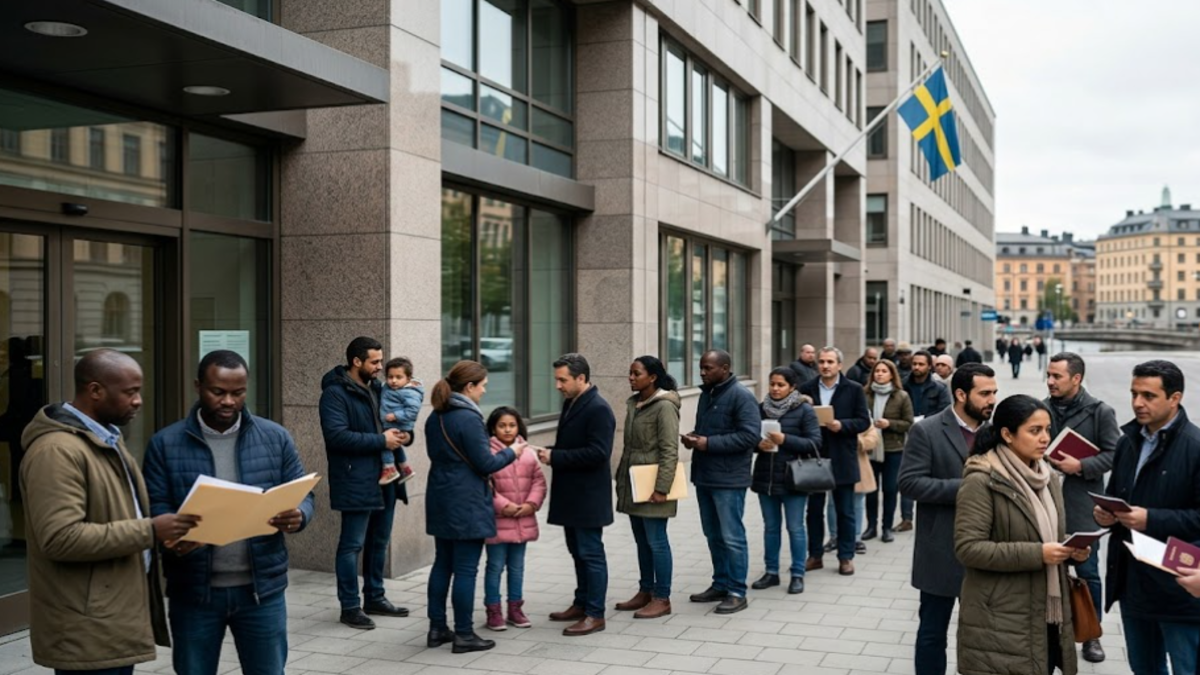
The Swedish Migration Agency has introduced a series of changes following new Swedish legislation and the implementation of the EU Pact on Migration and Asylum. The measures affect different categories of migrants, including people seeking protection, foreign workers and applicants for Swedish citizenship.
Latest Sweden Immigration Updates: Permanent Residence Rules Change
One of the most significant changes took effect in July, when Sweden removed the possibility of granting permanent residence permits to people holding residence permits on protection grounds.

According to the Swedish Migration Agency, people who have a residence permit in Sweden based on protection can no longer be granted a permanent residence permit from July. The change is part of a broader policy to phase out permanent residence permits for people with asylum-related residence permits.
The new framework also affects people with long-term resident status. Under the updated rules, those granted long-term resident status in Sweden will receive a five-year residence permit instead of a permanent residence permit.


The Swedish Migration Agency has also introduced exemptions affecting citizenship applications. Although a permanent residence permit is generally no longer required for some applicants, certain people with temporary residence permits may still qualify to apply for Swedish citizenship if they meet the relevant conditions and have well-founded prospects of obtaining a long-term residence permit.
The exemption covers certain groups, including refugees, people in need of subsidiary protection and some family members of people holding residence permits on those grounds.
Latest Sweden Immigration Updates: Citizenship Requirements Tightened
Swedish citizenship rules also changed in June. The amended citizenship law tightened the requirements for applicants, with the new rules applying from June to people whose applications were still awaiting a decision as well as to new applicants.
The Swedish Migration Agency says applicants over the age of 18 must meet several conditions. These include having an eligible residence status, proving their identity, meeting the required period of habitual residence and demonstrating an orderly and respectable life in and outside Sweden.
Applicants must also be able to support themselves and demonstrate knowledge of Swedish and Swedish society.
The agency has explained that Swedish citizenship can be acquired through application, notification or automatically in certain circumstances, depending on the applicant’s situation. Separate rules apply to citizens of other Nordic countries.
The citizenship changes represent a significant development for migrants who are planning to settle permanently in Sweden, particularly because the assessment now includes additional requirements beyond residence and identity.
New Asylum Screening Rules Under the EU Migration Pact
Another major development concerns asylum procedures and border screening.
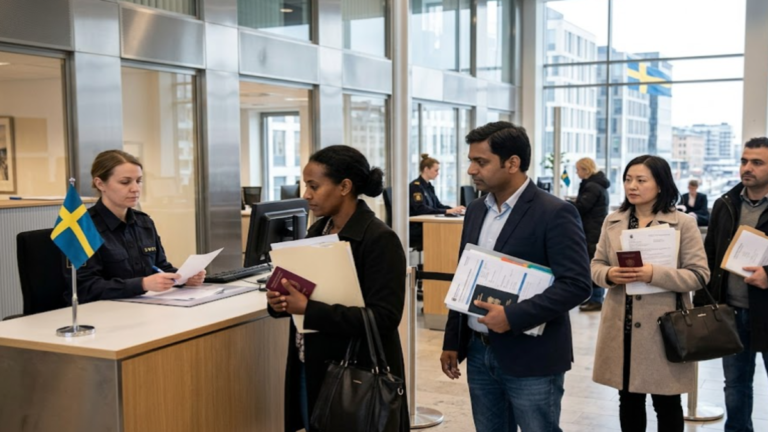
Sweden has introduced changes connected to the EU Pact on Migration and Asylum. Under the new arrangements, the Swedish Police Authority has the main responsibility for the screening process, while the Swedish Migration Agency also has a role as a screening authority.
The two authorities have established an agreement governing cooperation and responsibilities.
The screening process includes identity checks, security checks, vulnerability assessments and a basic health check, with Swedish regions responsible for the health component.
The Swedish Migration Agency says screening will take place at its centres in Boden, Märsta/Arlanda, Mölndal and Malmö, where the agency shares premises with the Swedish Police Authority.
The changes also affect access to free legal advice. Under the new rules, a person applying for international protection has the right to two hours of free legal advice when the asylum application process begins. If the applicant appeals the Migration Agency’s decision, the applicant has the right to free public counsel in connection with the appeal.
Stricter Good Conduct Requirements for Residence Permits
New requirements concerning good conduct, known in Swedish as “vandel,” also came into force in July.
According to the Swedish Migration Agency, the new rules give the agency greater powers to refuse applications or revoke residence permits because of a lack of good conduct.
The changes can affect people applying for residence permits on different grounds, including employment or family ties.
The development is part of the wider changes to Sweden’s migration regulations and means that applicants and permit holders may face closer scrutiny regarding conduct when their immigration status is assessed.
Work Permit Rules Become More Restrictive
Sweden also introduced new rules for work permits in June.
The updated system includes a new salary requirement. According to the Swedish Migration Agency, the median salary in Sweden is SEK 38,300, meaning that the minimum salary requirement for a work permit is SEK 34,470 per month, equivalent to 90 percent of the median salary.
The new work permit framework also includes additional requirements, while certain occupations have been exempted from some of the new rules.
The changes are important for foreign workers and employers because salary levels and other eligibility conditions now play a more prominent role in applications for Swedish work permits.
What the Latest Sweden Immigration Updates Mean for Migrants
Taken together, the latest changes show a significant shift in Sweden’s immigration framework.
For asylum seekers and people with protection-based residence permits, the rules now place greater emphasis on temporary residence arrangements and the new EU-wide asylum framework.
For citizenship applicants, the requirements have become stricter, with new conditions relating to residence, conduct, financial self-sufficiency and knowledge of Swedish and Swedish society.
For foreign workers, the new salary threshold and other work permit requirements may affect eligibility, while employers must ensure that employment conditions comply with the updated rules.
The Swedish Migration Agency remains responsible for processing applications from people who want to live in Sweden, work or study there, seek international protection or apply for citizenship. Applicants should therefore check the agency’s current requirements before submitting an application because immigration rules and individual eligibility can differ depending on the type of permit and personal circumstances.
Official source: Swedish Migration Agency
FAQ
What are the latest Sweden immigration updates in 2026?
The latest changes include stricter citizenship requirements, new rules on permanent residence for protection-based permits, updated asylum screening procedures, stronger good-conduct requirements and new work permit salary rules.
Can asylum-related residence permit holders still obtain permanent residence?
Under the new rules, people holding residence permits on protection grounds can no longer be granted permanent residence permits.
What is the new salary requirement for a Swedish work permit?
The Swedish Migration Agency states that the salary requirement is SEK 34,470 per month, based on 90 percent of the median salary of SEK 38,300.
Have Swedish citizenship requirements changed?
Yes. The citizenship rules were tightened in June, introducing additional requirements concerning habitual residence, conduct, financial self-sufficiency and knowledge of Swedish and Swedish society.
Conclusion
The latest Sweden immigration updates in 2026 mark important changes across asylum, residence, citizenship and labour migration. The most significant developments include the phase-out of permanent residence permits for people with protection-based permits, tighter citizenship conditions, new asylum screening procedures and stricter requirements for work permits and good conduct.
Contact: info@alswedalyom.com