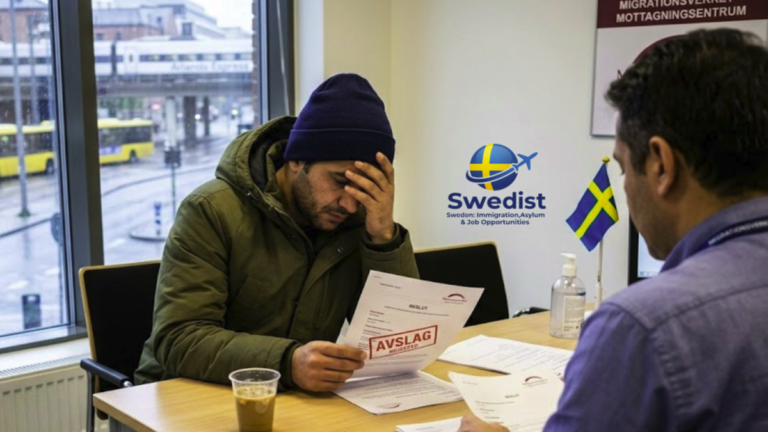

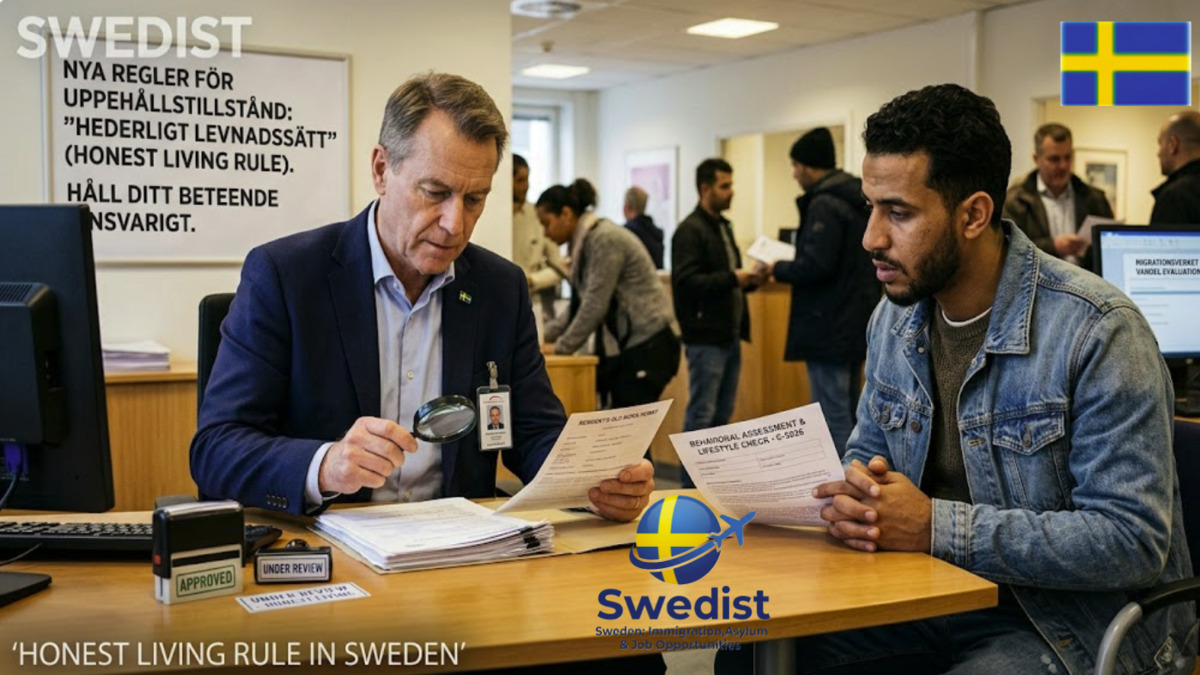
STOCKHOLM – Swedist: Honest Living Rule in Sweden : Can a residence permit be revoked not for what you do in a courtroom, but for how you live your life? This is the central debate currently gripping the Swedish Riksdag. The government has introduced a groundbreaking and highly controversial proposal known as the “Honest Living Rule” (or vandel in Swedish). If passed, this law will represent the most significant shift in Swedish migration policy in decades, making legal residency a privilege tied to ongoing personal conduct rather than just a legal status.
Defining the “Honest Living Rule”
The Honest Living Rule in Sweden is a proposed legislative framework designed to make residence permits conditional on a migrant’s behavior and lifestyle. According to official statements from the Swedish government, the goal is to ensure that those who live in the country adhere to certain standards of “responsible” and “honest” living.
Swedish Migration Minister Johan Forssell has been clear about the government’s stance, stating that migrants who “cheat the system” or ignore their social obligations “do not have the right to be here.” This represents a departure from previous norms where deportation was primarily reserved for those convicted of serious criminal offenses. Under the new proposal, the government seeks to link immigration status to administrative and financial behavior.
Grounds for Potential Deportation
The scope of the Honest Living Rule in Sweden extends far beyond the criminal code. Authorities are looking to expand deportation grounds to include a variety of “dishonest” behaviors. Based on the bill’s details, migrants could face the loss of their permits for:
Financial Irresponsibility: Persistent failure to pay debts or government fines.
System Abuse: Engaging in welfare fraud or the misuse of social benefits.
Fiscal Violations: Tax evasion or working in the “underground” economy without paying taxes.
Administrative Dishonesty: Providing false information during the residence application process or failing to comply with government decisions.
Historically, residence permits in Sweden were relatively stable once granted. This new shift means that personal conduct is under continuous evaluation, creating a “conditional” residency model that requires migrants to maintain a clean administrative record to stay in the country.
Why the Shift? A Political Transformation
The introduction of the Honest Living Rule in Sweden is rooted in the political promises made by the current government, which took office in 2022 with a mandate for stricter immigration control. The policy is fueled by rising public concerns following the 2015 migration crisis and ongoing national debates regarding integration and crime rates.
By linking residency to “good behavior,” the government aims to reduce the misuse of the Swedish welfare system and encourage faster, more disciplined integration. With elections on the horizon, the pressure to implement these reforms has accelerated, with the bill expected to potentially take effect around July 2026 if approved by Parliament.
Legal and Ethical Controversies
Despite the government’s focus on system integrity, the proposal has faced fierce criticism from legal experts and human rights organizations. The primary concern is the vagueness of the definition. Critics argue that “honest living” is a subjective term that could lead to inconsistent interpretations by migration officials, creating a state of legal uncertainty for hundreds of thousands of residents.
Furthermore, there are significant concerns regarding the violation of legal equality. Human rights groups warn that this law creates a two-tier justice system where migrants are held to a much higher behavioral standard than Swedish citizens for the same non-criminal actions. There is also a looming fear regarding freedom of expression; experts warn that if personal statements or opinions are used to judge a person’s “character,” it could lead to self-censorship among migrant communities.
FAQ
What does “vandel” mean in the context of this law?
“Vandel” refers to a person’s way of life or conduct. The law uses this to assess whether a migrant is living an “honest” life according to Swedish standards.
Can I be deported for not paying a fine under this rule?
Yes, under the proposal, persistent failure to pay government fines or debts could be classified as “dishonest living” and lead to deportation.
When will the Honest Living Rule take effect?
The proposal is currently a bill. If it passes through Parliament, it is expected to be implemented by mid-2026, likely around July.
Does this law apply to Swedish citizens?
No, the law specifically targets foreign nationals holding residence permits. Citizens are not subject to deportation regardless of their “lifestyle” or conduct.
The Honest Living Rule in Sweden signifies a fundamental transformation of the nation’s immigration philosophy. It moves the system from a rights-based model to a conduct-based one. While supporters believe it will protect the welfare state and promote responsibility, critics fear it undermines the very foundations of legal certainty and basic freedoms that Sweden is known for.
Contact: info@alswedalyom.com