
Stockholm, Swedist : Sweden has always been viewed as a lighthouse for those lost at sea. But in 2026, the rules of the game have changed, becoming more structured and precise. Have you ever wondered if “Lagom” (the Swedish concept of just enough) applies to their asylum system too? Is the dream of a Swedish residence permit still within reach, or has the path become a labyrinth of new regulations?
The First Step: Applying at the Migration Agency
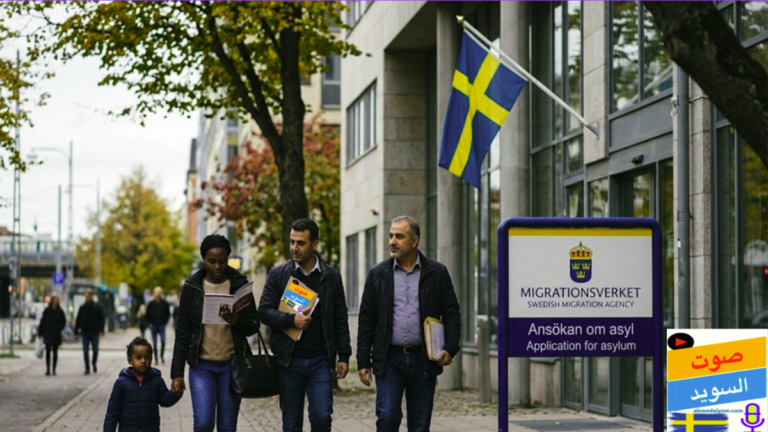
In Sweden, everything begins with the Migrationsverket. Whether you apply at the border or in one of their offices in Malmö, Gothenburg, or Stockholm, the process is digital and direct. A writer for Swedist notes that the first fingerprinting and photograph session is the moment you officially “enter” the system. It’s efficient, but it can feel a bit cold. Don’t let the silence of the offices discourage you; it’s just the Swedish way of being professional.
The Eligibility Interview
Shortly after applying, you’ll have your first meeting. This isn’t just a chat; it’s the foundation of your future. You need to explain, with absolute clarity, why you cannot return home. Sweden values honesty above all else. If your story has gaps, the system will find them. We always say: carry your truth like a shield, and your evidence like a map.
Housing and Daily Life: The “LMA” Card
Once registered, you receive your LMA card. This is your temporary ID. It’s your key to Sweden while you wait. Sweden usually provides housing in reception centers, but many choose to live with friends (known as EBO). However, be careful—living in certain restricted areas might affect your right to financial aid. It’s a small detail that can change everything.
Financial Support: Living on “Dagersättning”
Let’s be realistic: the daily allowance (Dagersättning) from the Migration Agency is modest. It’s meant to cover food and basic personal needs, but in a country as expensive as Sweden, you’ll need to be an expert at budgeting. It’s enough to survive, but the real goal is always to move toward independence as soon as possible.
The Path to a Decision: Temporary vs. Permanent
Gone are the days of immediate permanent residency. Today, Sweden primarily grants temporary residence permits (usually 13 months or 3 years). This can feel like living on a timer. But there is a silver lining: if you find a job that meets the salary requirements before your permit expires, you can often convert it into something more stable. It’s a system designed to encourage work and integration.
Working While Your Case is Pending
One of the best things about the Swedish system is the AT-UND (exemption from the work permit requirement). If your identity is clear and your case has merit, you can start working almost immediately. Swedist experts believe that finding a job is the ultimate shortcut to integration. The Swedish workplace is where you’ll truly learn the language and the culture of “Fika” (coffee breaks that are actually social glue).
Language: Your Greatest Asset
You might think everyone speaks English in Sweden—and they do. But if you want to stay, you must learn Swedish (SFI). It’s the difference between being a guest and being a neighbor. Start the day you arrive. The effort you put into the language is the strongest signal you can send to the authorities that you intend to build a life here.
Integration: More Than Just a Permit
Sweden is a quiet country that values privacy, but it also has a huge heart for community. Join a local sports club or a “Språkcafe” (language cafe). Integration isn’t just about what the government gives you; it’s about what you give back to your new community. The road to becoming “Swedish” is long and sometimes lonely, but the safety and quality of life at the end of that road are unmatched.
FAQ
Can I choose which city I live in?
You can, but if you choose your own housing (EBO) in certain areas with social challenges, you might lose your right to financial support. Swedist recommends checking the “restricted areas” list first.
How long does the asylum decision take in 2026?
Expect to wait anywhere from 10 to 18 months. The system is thorough, and every case is investigated individually.
What happens if my application is rejected?
You have the right to appeal to the Migration Court. You will usually be assigned a public counsel (lawyer) paid for by the state to help you with this process.
Is healthcare free for asylum seekers?
You have the right to emergency medical and dental care. Children have the right to full healthcare and schooling, just like Swedish citizens.