

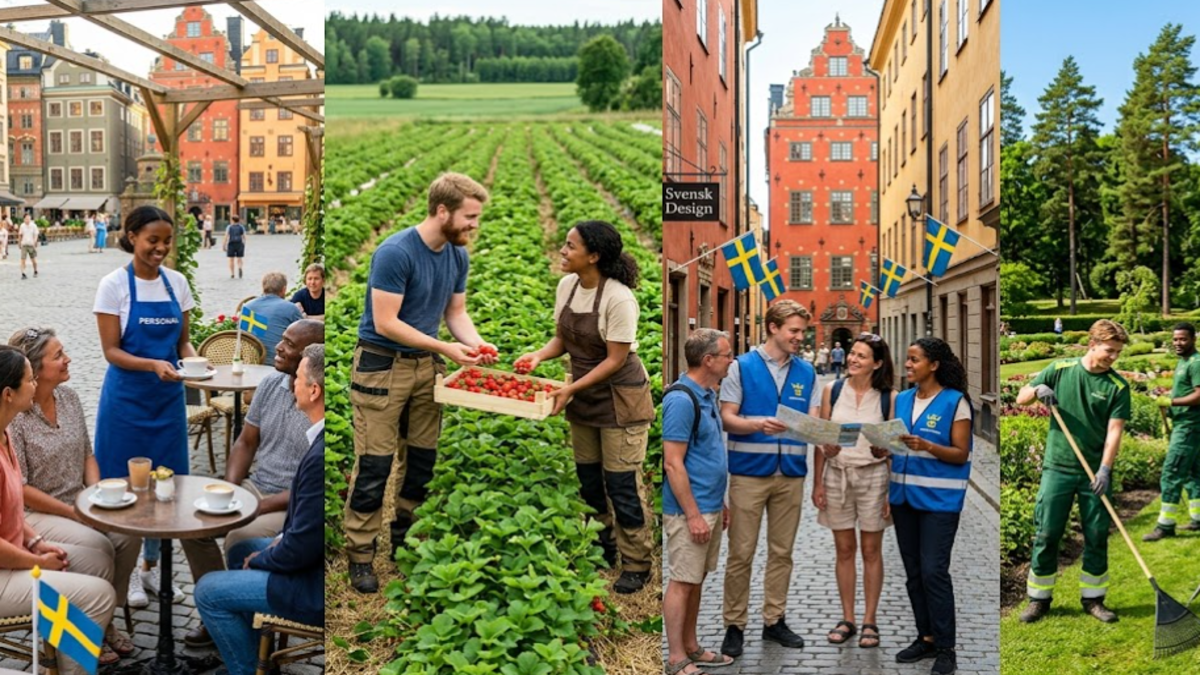
STOCKHOLM – Swedist: Seasonal Jobs in Sweden Continue to Attract Workers as Employers Expand Recruitment Across Tourism and Hospitality

Seasonal Jobs in Sweden are once again in the spotlight as employers across the country continue recruiting temporary workers to meet demand in tourism, hospitality, agriculture and outdoor recreation. From hotels in Swedish Lapland to restaurants in Stockholm and farms in southern Sweden, businesses are seeking additional staff ahead of busy seasonal periods while public authorities encourage job seekers to apply early.
The latest information from the Swedish Public Employment Service and the Swedish Migration Agency indicates that seasonal employment remains an important part of the country’s labour market. At the same time, updated regulations for seasonal work permits and continued demand in visitor-dependent industries are shaping recruitment across several regions. For people looking to gain work experience, earn additional income or begin a career in Sweden, seasonal employment offers a wide range of opportunities—but where is demand currently strongest?

Seasonal Jobs in Sweden remain essential for employers across the country
Seasonal recruitment has become a key feature of Sweden’s labour market, particularly in industries where demand fluctuates throughout the year. Hotels, restaurants, cafés, amusement parks, ski resorts, farms and tourism businesses regularly increase their workforce during peak seasons to serve both domestic and international visitors.
According to the Swedish Public Employment Service (Arbetsförmedlingen), job seekers continue to find seasonal vacancies through its employment platform, where employers advertise temporary positions across multiple sectors. Hospitality, customer service, food preparation, agriculture and outdoor recreation remain among the industries offering the highest number of seasonal opportunities.
Labour market specialists say seasonal jobs are especially valuable for students, recent graduates and people entering the Swedish workforce for the first time. Many employers view temporary contracts as an opportunity to identify reliable workers who may later be offered permanent employment.
Unlike some short-term jobs, seasonal positions often provide practical workplace experience, professional references and opportunities to develop skills that can be transferred to future careers. Customer service, teamwork, communication and problem-solving continue to rank among the most valued competencies gained through seasonal employment.
Updated regulations affect seasonal workers
Recent changes introduced by the Swedish Migration Agency have placed renewed attention on seasonal employment, particularly for workers coming from outside the European Union.
The agency has updated requirements governing seasonal work permits, including employment conditions and salary levels that employers must meet before permits can be approved. Officials say the changes are intended to ensure that seasonal workers receive fair employment conditions while maintaining Sweden’s labour standards.
Employers recruiting international seasonal staff must demonstrate that vacancies comply with applicable collective agreements or industry standards. The updated framework also reinforces the importance of written employment offers before applications are submitted.
Although most Swedish citizens and EU citizens do not require work permits to accept seasonal employment, the updated regulations are significant for businesses that traditionally recruit workers from outside the European labour market.
Industry representatives say clear regulations help employers plan recruitment while providing workers with greater certainty before travelling to Sweden for seasonal employment.
Tourism continues driving recruitment
Tourism remains one of Sweden’s strongest sources of seasonal employment.
Businesses throughout Stockholm, Gothenburg, Malmö and popular holiday destinations increase staffing during busy travel periods, while northern Sweden experiences particularly strong recruitment linked to nature tourism and outdoor activities.
Swedish Lapland continues to advertise vacancies for chefs, waiters, housekeeping staff, receptionists and activity guides as visitor numbers remain strong. Hotels, lodges and tourism operators rely on seasonal workers to maintain service levels during periods of high demand.
Restaurants and cafés across the country are also expanding recruitment to accommodate increased customer numbers during holidays and major events. Employers frequently seek kitchen assistants, servers, bartenders, cleaners and customer service staff, with many positions requiring flexibility rather than extensive previous experience.
The hospitality industry continues encouraging applicants to submit their applications early, as many businesses begin recruiting well before peak operating periods.
Agriculture and outdoor industries continue creating opportunities
While tourism attracts significant attention, agriculture remains another major employer of seasonal workers in Sweden.
Fruit and vegetable farms require additional labour during planting, cultivation and harvesting seasons, creating opportunities for workers with varying levels of experience. Forestry and environmental conservation projects also recruit temporary staff for outdoor work across different parts of the country.
Municipalities continue hiring seasonal employees for parks maintenance, public gardens, recreation facilities and community programmes, while outdoor activity providers recruit guides and instructors for hiking, cycling and other seasonal experiences.
Together, these industries support thousands of temporary jobs every year and contribute significantly to local economies, particularly in rural communities where seasonal employment remains an important source of income.
Employers say they continue looking for motivated candidates who are dependable, willing to learn and available throughout the busiest periods of the season. Although previous experience can be an advantage, many businesses provide on-the-job training, making seasonal work accessible to first-time applicants and those changing careers.
Regional hiring trends highlight growing demand for temporary workers
While seasonal employment opportunities can be found throughout Sweden, recruitment activity varies significantly by region depending on local industries and tourism patterns.
In northern Sweden, destinations such as Kiruna, Abisko and the wider Swedish Lapland region continue to rely heavily on seasonal employees. Hotels, restaurants, activity companies and visitor centres regularly recruit additional staff to support both domestic and international tourism. Seasonal workers are often needed for customer service, housekeeping, food preparation, guided excursions and hospitality management.
Central Sweden also experiences steady demand, particularly in cities where festivals, cultural events and outdoor attractions increase visitor numbers during peak travel periods. Restaurants, cafés and entertainment venues frequently expand their workforce to meet higher customer demand.
Southern Sweden remains an important centre for agricultural employment. Farms producing vegetables, berries and other crops require additional workers during planting and harvesting seasons, while food-processing businesses also recruit temporary staff as production increases.
Municipal governments across the country continue advertising seasonal positions within parks, sports facilities, public gardens and recreational programmes. These opportunities often appeal to students and young adults looking to gain practical work experience while contributing to their local communities.
Seasonal Jobs in Sweden offer valuable career experience
Although seasonal employment is temporary by nature, labour market experts say it can have long-term benefits for workers.
Many Swedish employers use seasonal recruitment as an opportunity to identify future employees. Workers who demonstrate reliability, adaptability and strong customer service skills are often considered when permanent vacancies become available.
For young people entering the labour market, seasonal work provides valuable professional experience that strengthens future job applications. It also allows individuals to develop workplace skills such as communication, teamwork, problem-solving and time management.
International workers who qualify for seasonal employment also gain experience working in Sweden’s labour market while becoming familiar with Swedish workplace culture and employment standards.
Career advisers recommend that applicants tailor their CVs to each position, highlight relevant skills and submit applications early, as many employers begin recruitment well before the busiest season starts.
Where to find seasonal jobs in Sweden
The Swedish Public Employment Service remains one of the country’s primary sources for verified job vacancies.
Applicants can search for seasonal opportunities by occupation, location and employer through the official employment portal, where thousands of temporary vacancies are published throughout the year.
In addition to government resources, many employers advertise vacancies directly through their websites or recruit through local employment agencies. Hotels, restaurants, amusement parks and tourism operators frequently publish seasonal openings months before peak visitor periods.
Job seekers are also encouraged to attend recruitment fairs and monitor local employment announcements, particularly in regions that depend heavily on tourism and agriculture.
Outlook remains positive for seasonal recruitment
Despite economic uncertainty affecting parts of Europe, Sweden’s seasonal labour market continues to demonstrate resilience.
Tourism remains an important contributor to the Swedish economy, supporting thousands of temporary jobs every year. Agriculture, outdoor recreation and hospitality are also expected to continue generating employment opportunities as businesses prepare for future seasonal demand.
The Swedish Migration Agency’s updated regulations aim to provide greater clarity for employers and workers while maintaining fair employment conditions for international seasonal staff.
Meanwhile, the Swedish Public Employment Service continues encouraging job seekers to remain active, update their applications and monitor new vacancies as employers continue recruiting throughout the year.
For many applicants, seasonal work offers more than temporary income. It provides valuable experience, professional contacts and a pathway toward long-term employment in one of Europe’s most dynamic labour markets.
As recruitment continues across Sweden, both domestic and international workers are expected to remain an essential part of industries that rely on seasonal demand, helping businesses maintain services while supporting local economies from the country’s northern tourism destinations to its southern agricultural regions.
Frequently Asked Questions
What are seasonal jobs in Sweden?
Seasonal jobs are temporary positions available during specific times of the year, mainly in tourism, hospitality, agriculture, recreation and outdoor industries.
Who can apply for seasonal jobs in Sweden?
Swedish citizens, EU citizens and eligible foreign nationals who meet Swedish employment and immigration requirements may apply.
Which industries hire the most seasonal workers?
Tourism, hospitality, agriculture, food services, outdoor recreation and municipal services remain among Sweden’s largest seasonal employers.
Where can I search for seasonal jobs?
The Swedish Public Employment Service’s official website and employers’ career pages remain the best sources for verified seasonal vacancies.
Contact: info@alswedalyom.com